Improving the populations of key species
Our Work
Our mission is to protect, enhance and research native wildlife populations and ecosystems around the Western Bay of Plenty (New Zealand), and to educate people through knowledge and volunteer involvement.
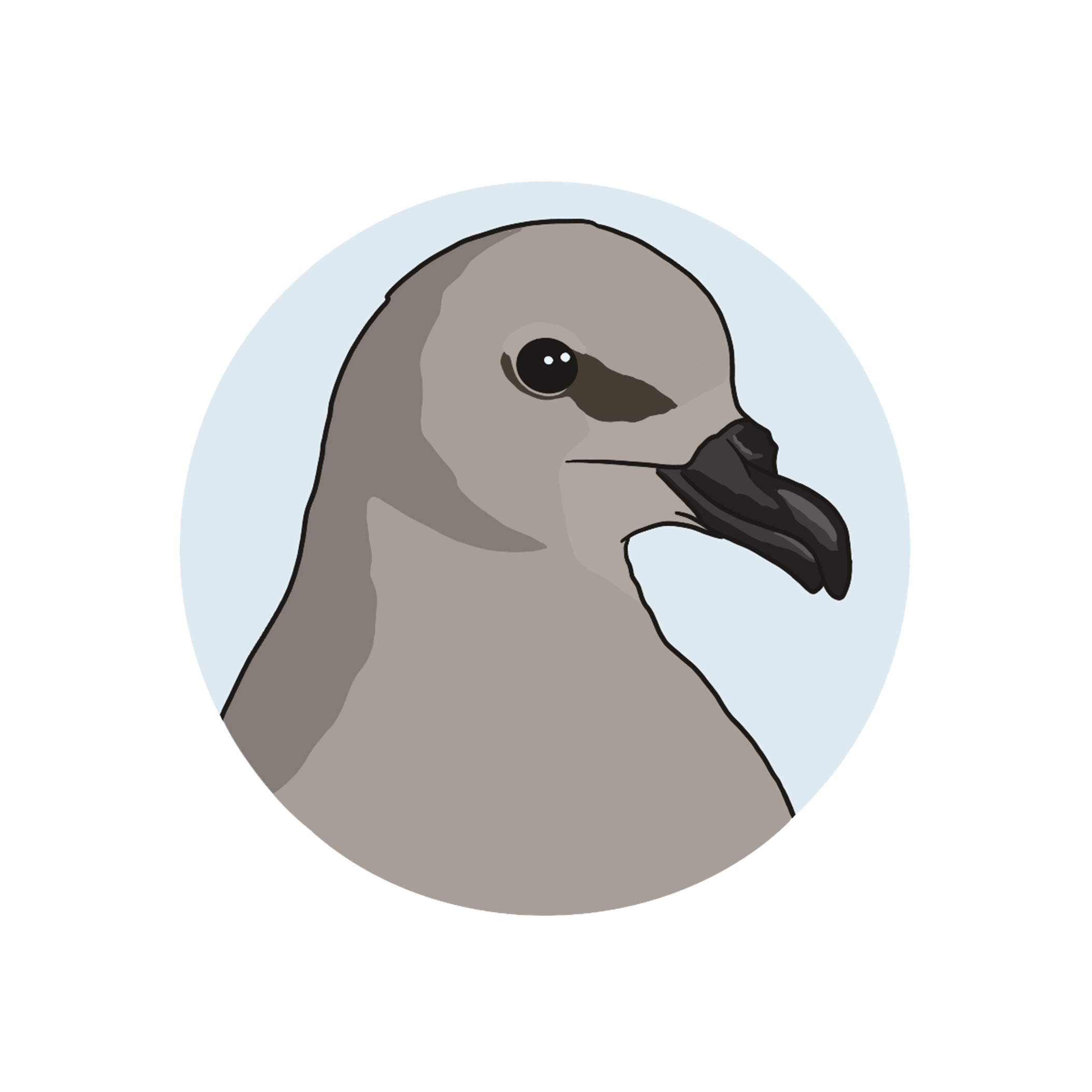
Petrel Project
It was The Ornithological Society of New Zealand that began monitoring Ōi (or grey-faced petrels) back in 1989.
Handling permits were transferred to WBWT in 2015, and the work continues on one of NZ’s longest-running seabird monitoring projects to this day.
Our Ōi colony lives on the mainland, which is unusual for this species of bird. Unfortunately, as a result, they face a host of threats.
Threats to Ōi include:
Predation by introduced mammals such as stoats and rats.
Habitat loss via human encroachment.
Overfishing by people depleting their food sources.
Light pollution interfering with their environment at night (e.g. cruise ships).
Our work with Ōi includes population monitoring and banding.
Penguin Project
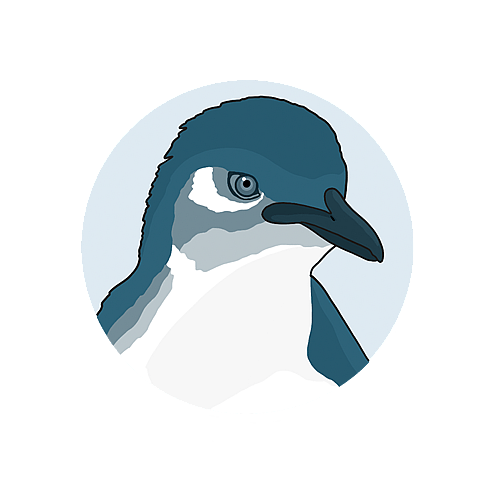
After gaining a long-term wildlife authority to monitor penguins in 2017, the trust launched the Kororā (little blue penguin) project.
Kororā are native to New Zealand. We have breeding populations on Mauao, Moturiki, and Motuotau (Rabbit Island), which provide the best rocky habitats and coastal vegetation in the area.
Threats to Kororā include:
Predation from introduced mammals such as stoats, weasels, rats, and domestic cats.
Dog attacks.
Burrow competition from feral rock pigeons.
Pollution and littering.
Overfishing, which depletes their food sources.
Accidents with boats.
Entanglement with marine equipment.
Climate change and rising sea levels.
The main goal of our Kororā project is to continue monitoring trends and threats to inform management decisions and prevent population decline.
Shorebird Project
In 2021, the trust established its newest bird project, the Shorebird Minder group.
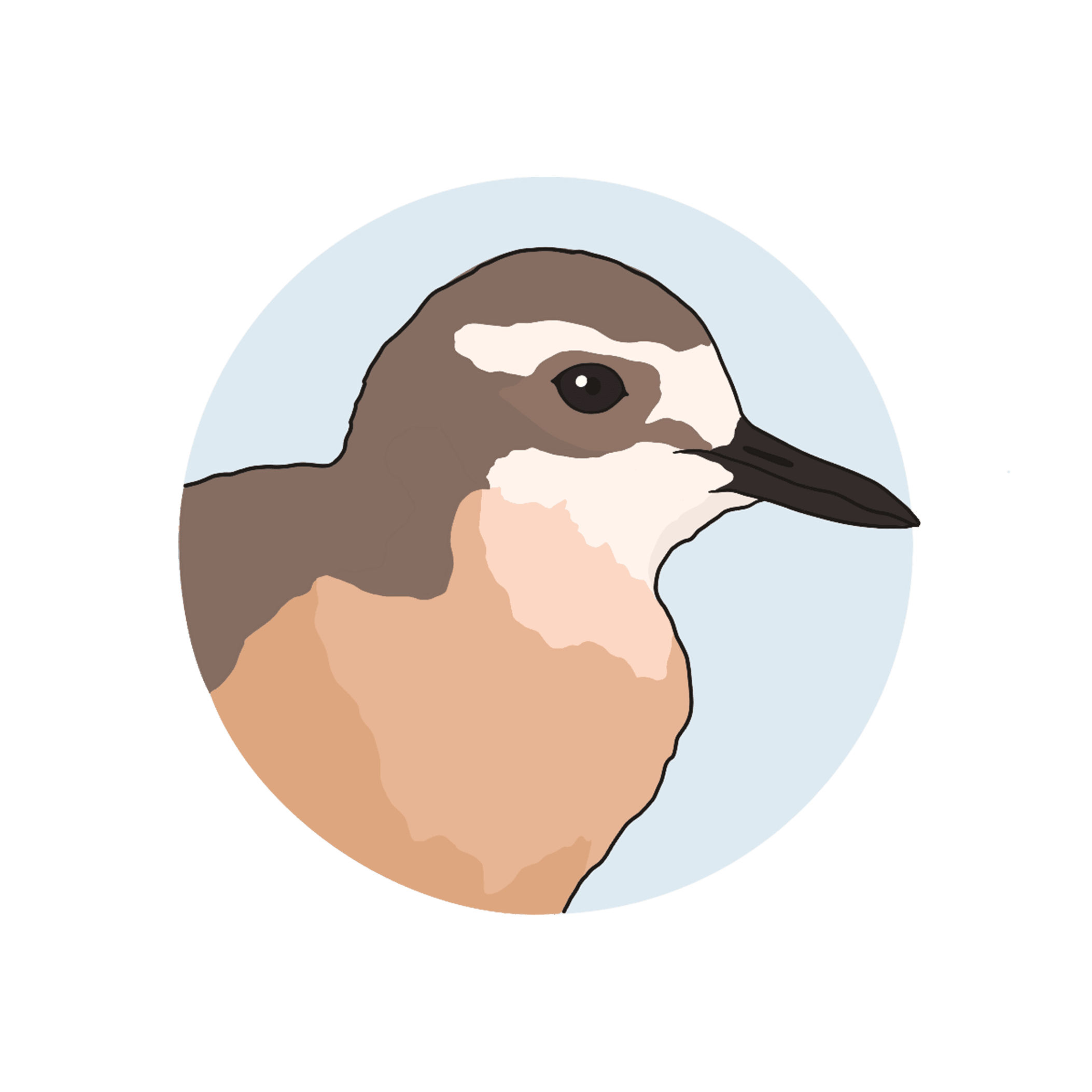
Mount Maunganui Main Beach is home to breeding populations of Tūturiwhatu (Northern New Zealand dotterel) and Tōrea-Pango (Variable oystercatchers).
Threats to shorebirds include:
Predation by introduced mammals such as mustelids, hedgehogs, and rodents.
Domestic pets, particularly cats and off-leash dogs.
Human disturbance.
Habitat loss due to urbanisation.
Climate change, rising sea levels and more frequent storms.
Without active monitoring and protection (such as fencing off nesting areas), both species would be in serious decline.
Our shorebird group aims to raise awareness, advocate for these species, and help protect and monitor their breeding habitats on the beach.
Other Projects
Our other focus areas include:
Pest animal control on Moturiki in the form of trap lines and bait stations.
Predator monitoring on Moturiki using tracking tunnels and trail cameras.
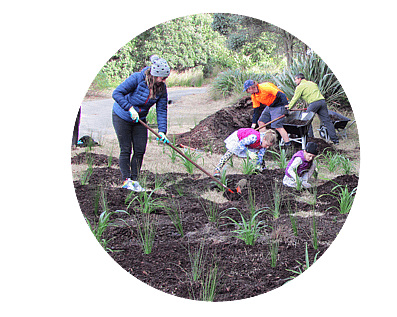
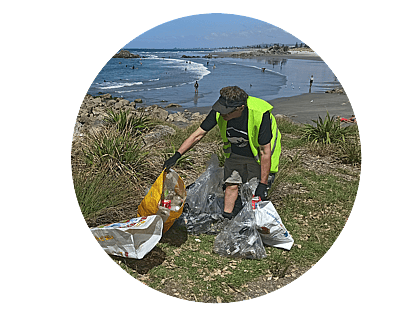
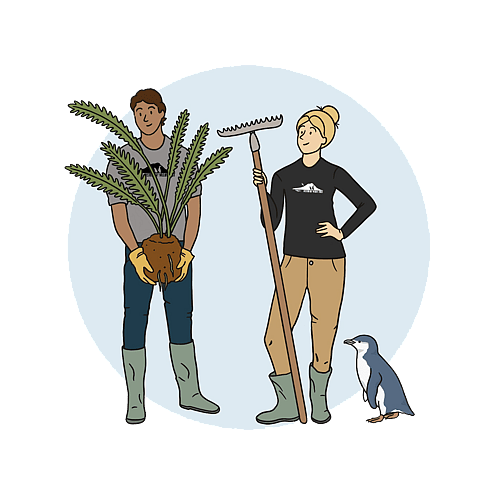
Habitat restoration in the form of winter planting events, and summer rubbish cleanup working bees around Moturiki and Mount Maunganui Main Beach.
Kororā rescue and rehabilitation.
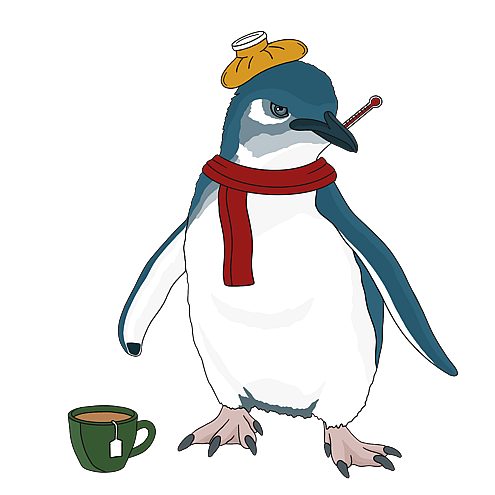
Call 0800 SICK PENGUIN.
Think you might have spotted a sick or injured penguin? It's better to be safe than sorry. Please call 0800 Sick Penguin (0800 742 573) if you see a penguin on the beach during the day, as it's most likely sick or injured.
Find out more about our wildlife
Sign up to our newsletter
Stay up to date with our latest projects and volunteer opportunities by subscribing to our newsletter.
Our Supporters